Carefully Curated Insights and Notes.
Explore the intersection of software craftsmanship, AI, and modern engineering practice.
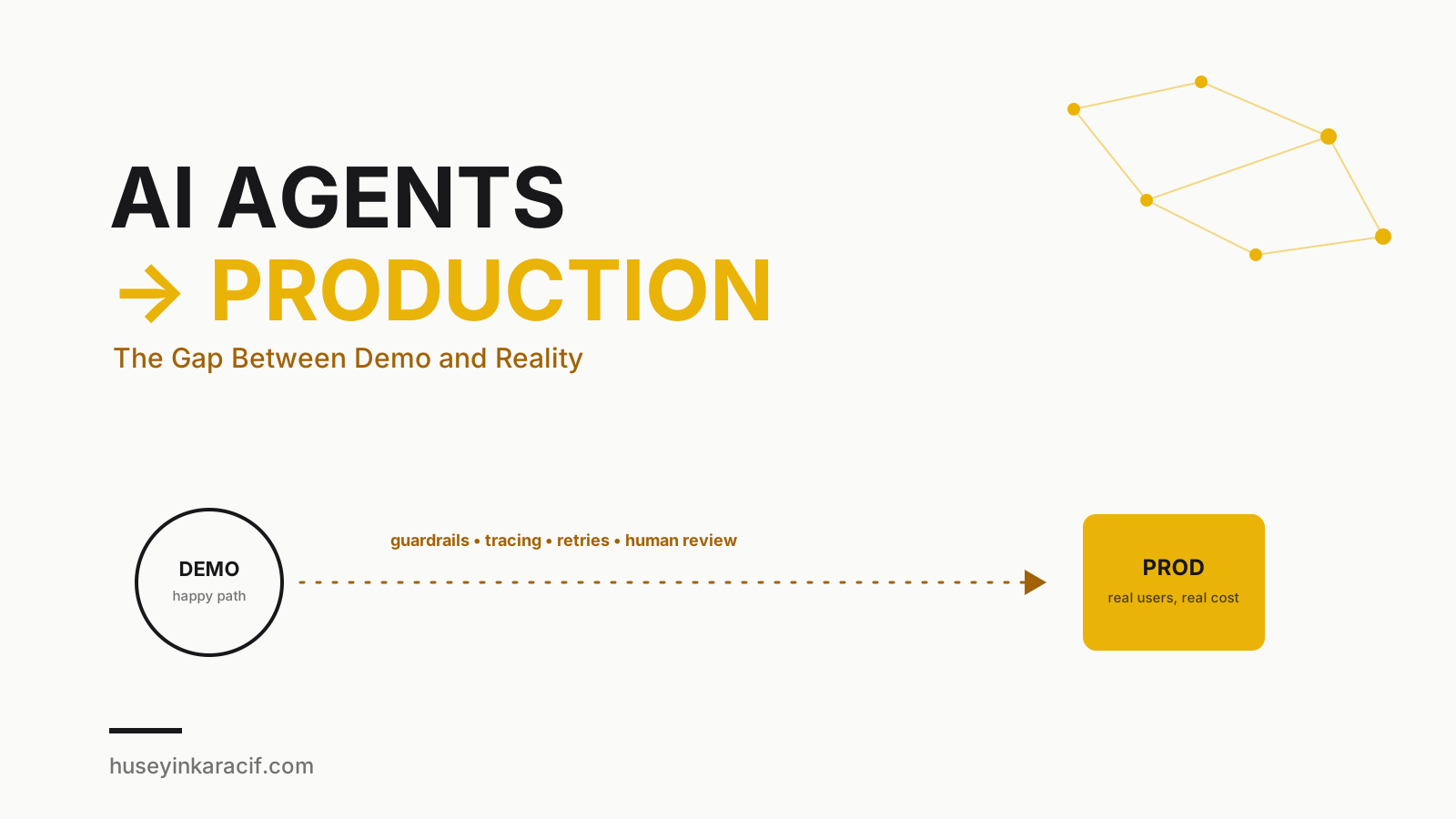 AI01
AI01Taking AI Agents to Production: The Gap Between Demo and Reality
An agent demo runs flawlessly in front of the client, then three days later it quietly turns your API bill into a four-digit number. Here's what actually closes that gap: guardrails, observability, cost control, and a few hard-earned lessons.
 AI02
AI02GEO: SEO for AI Search Engines
Ranking #1 on Google isn't the finish line anymore — getting quoted inside ChatGPT's answer is. Here's what GEO actually means and how to make your site legible to AI search.
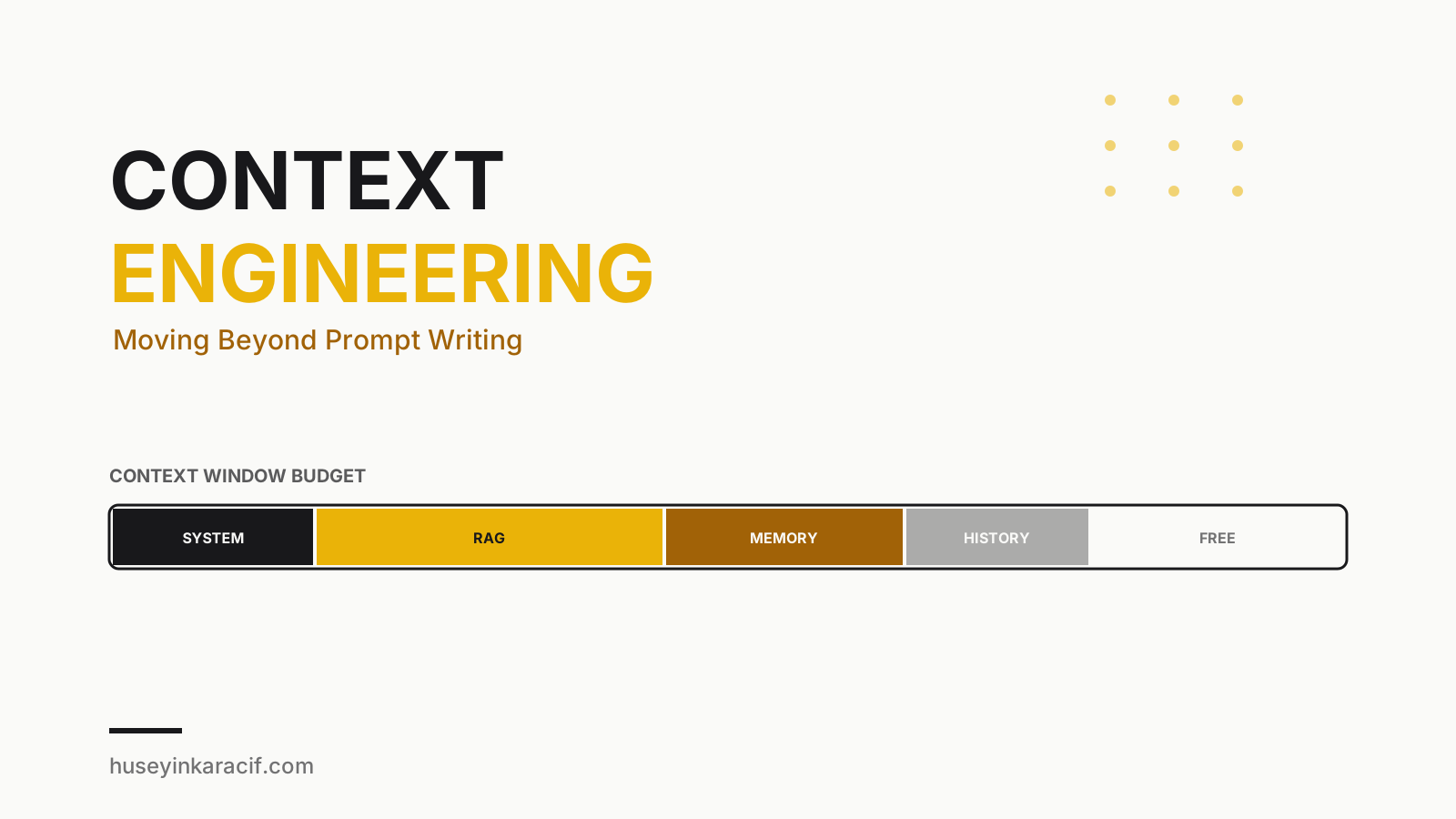 AI03
AI03Context Engineering: Moving Beyond Prompt Writing
Writing a good prompt isn't enough anymore. Designing what the model actually sees at the moment it answers — context engineering — is the least talked-about, highest-leverage skill in AI work right now.
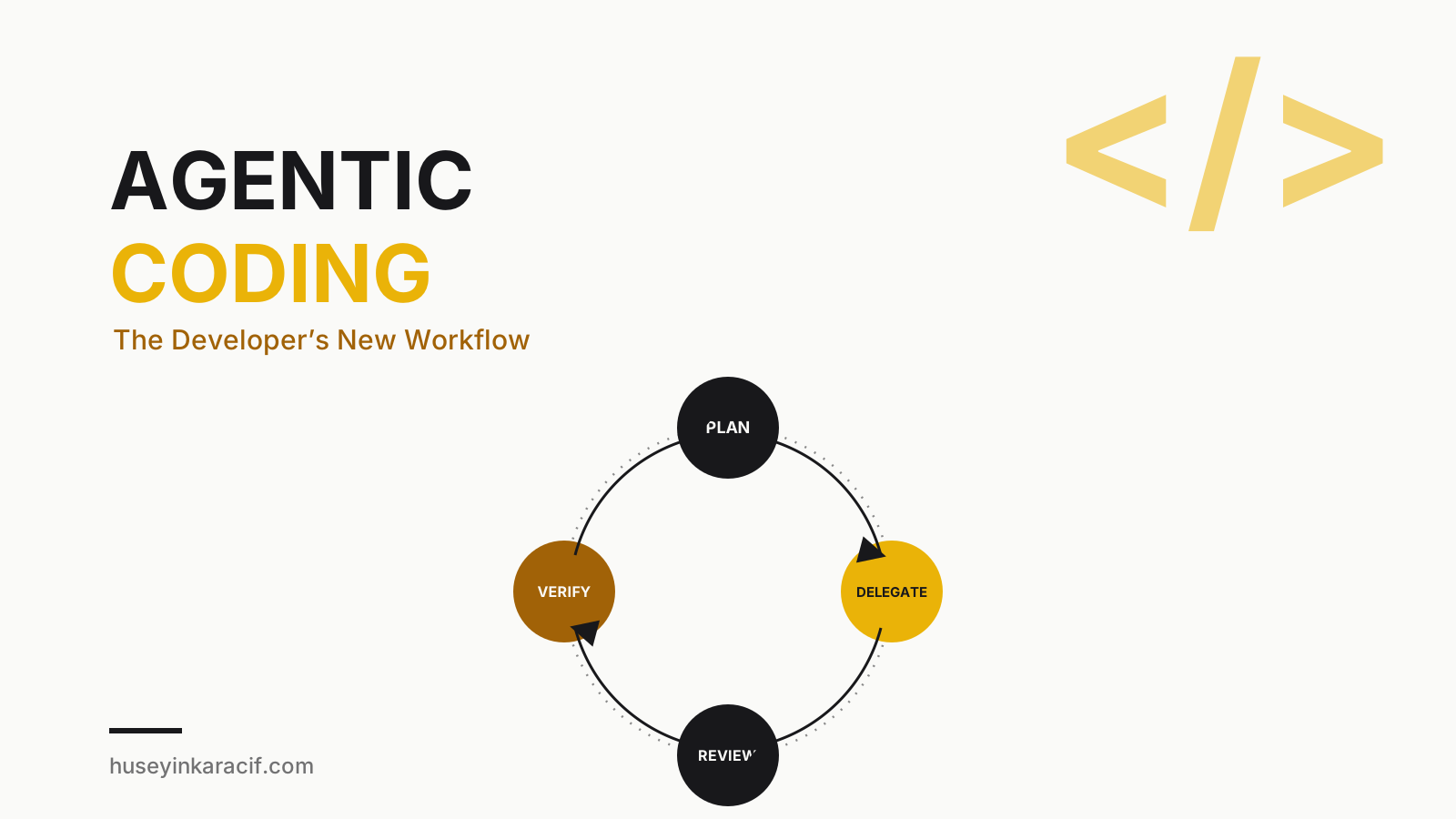 AI04
AI04Agentic Coding: The Developer's New Workflow
From autocomplete to agents: the way we write code has fundamentally shifted. So where exactly did the developer's role go, and which part of the 'productivity' story actually holds up?
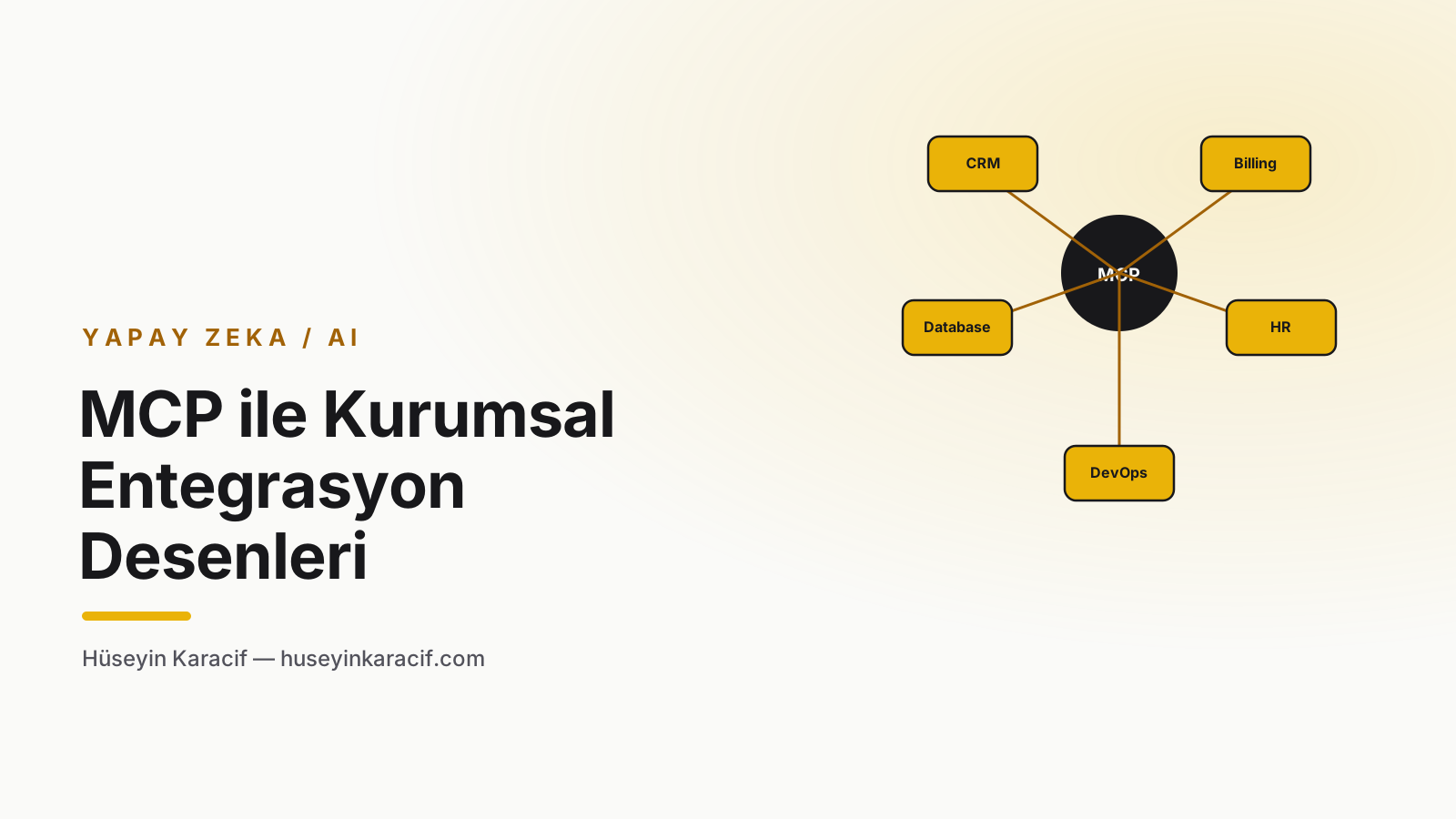 AI05
AI05Enterprise Integration Patterns with MCP
Taking MCP from a weekend demo to a system that touches real customer data means rethinking permissions, auditing, and what a model is even allowed to do. Here's how I'd design it.
 AI06
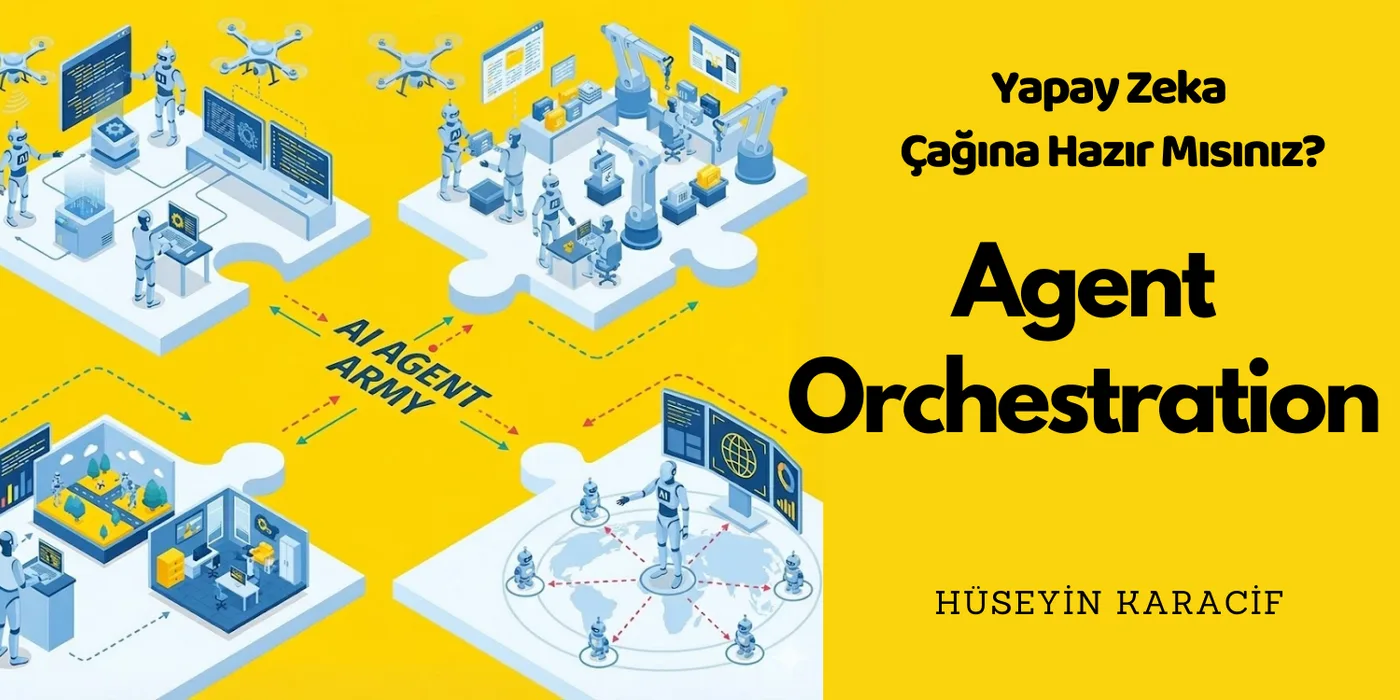
AI06How to Build Your Own AI Team (Agent Orchestration)
Instead of asking one model to do everything, build a team of specialized AI agents: the logic, architecture, and practical setup of Agent Orchestration.
 AI07
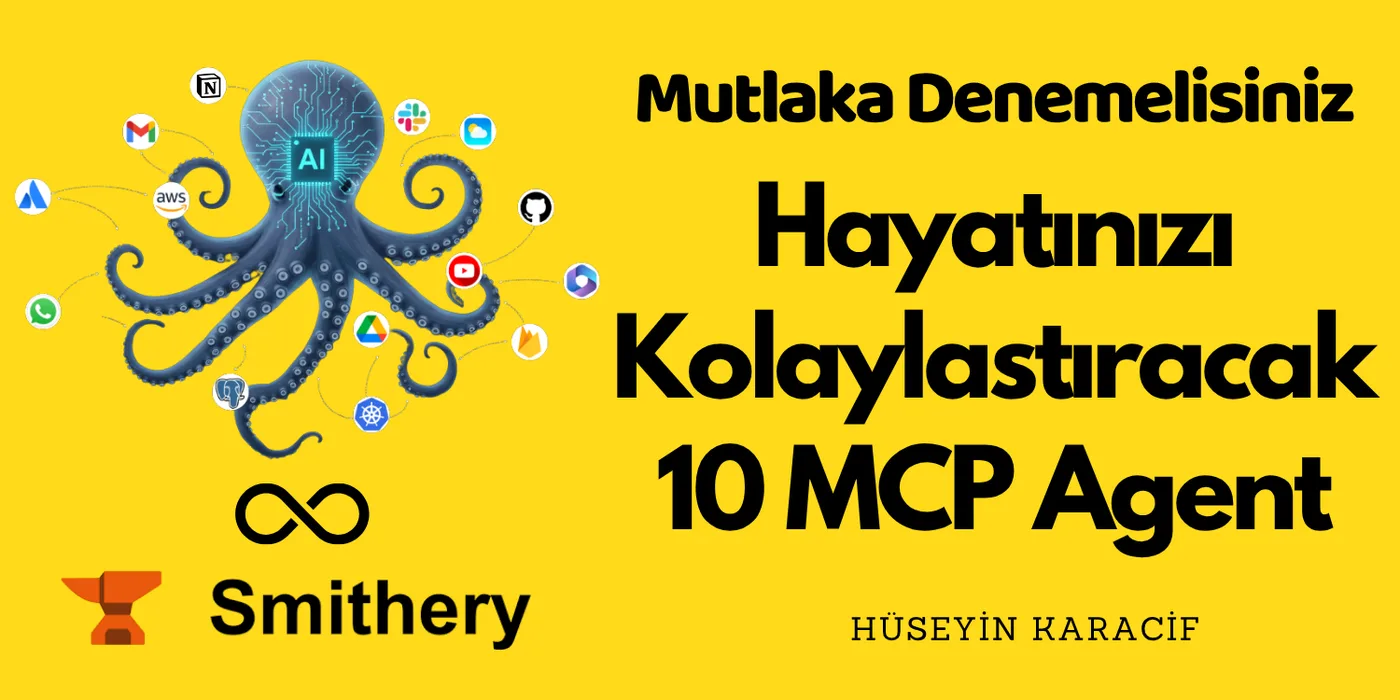
AI07AI Revolution: 10 MCP Agents You Need to Try
I tried over 100 MCP agents. Here are the 10 that actually change your daily workflow, and why.
 AI08
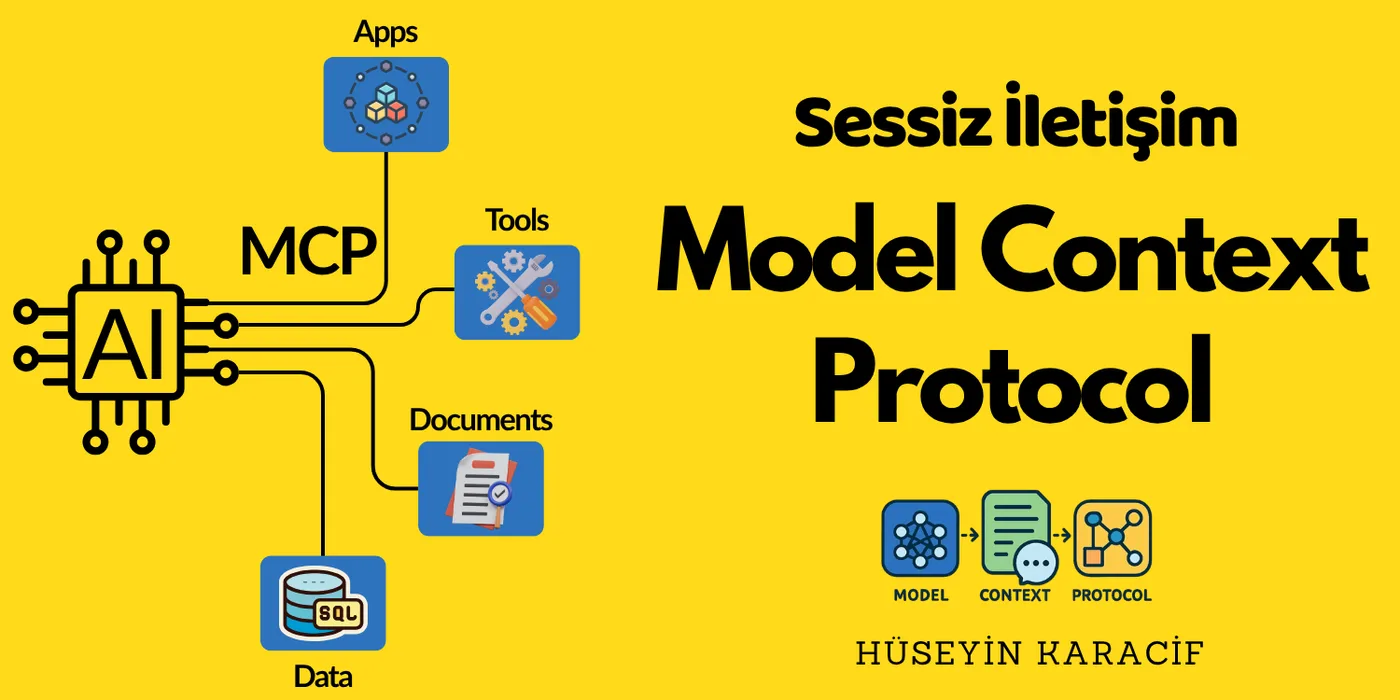
AI08MCP and AI: The New Communication Language for Smart Systems
MCP is the common language that lets AI connect to the outside world. From the USB-C analogy to a smart home scenario: what MCP is and why it matters.
 Architecture09
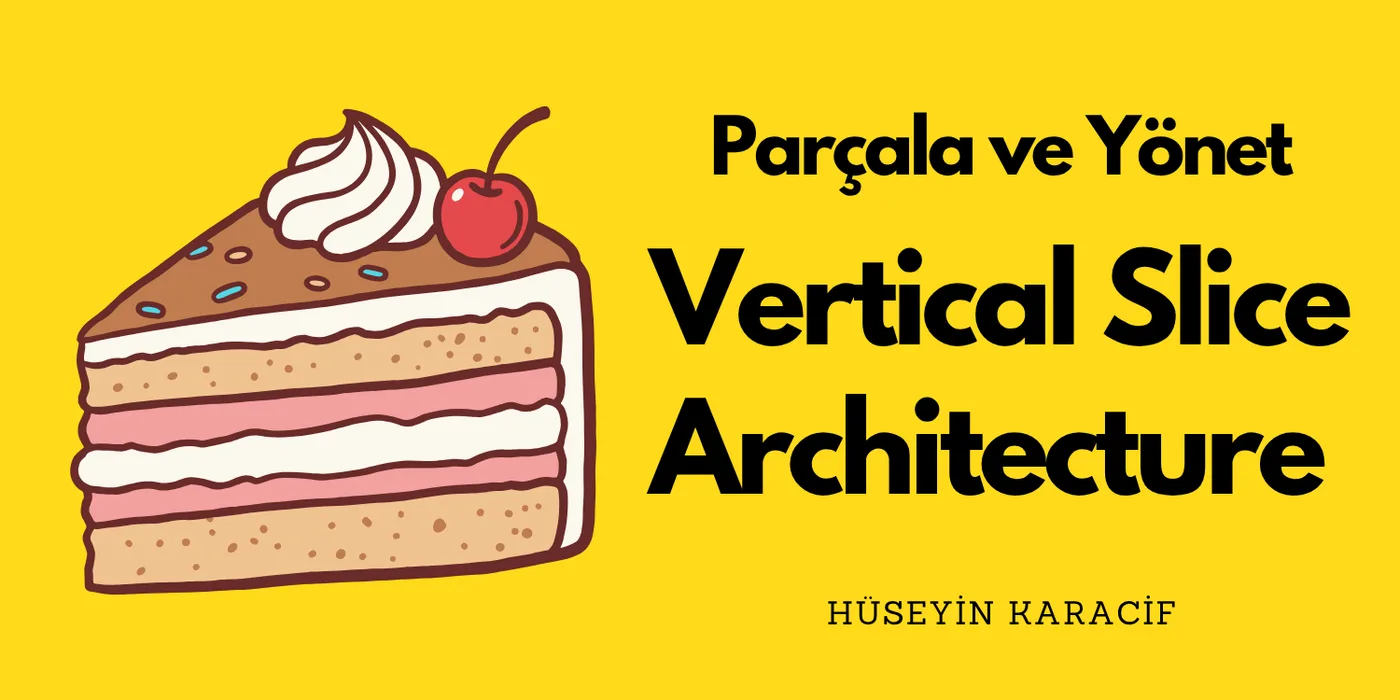
Every Slice Is a Feature: A Micro Approach with Vertical Slice Architecture
A fresh alternative to layered architecture: Vertical Slice Architecture, which handles each feature end-to-end within its own vertical slice.
 Engineering10
What Is a Webhook, Integration's Indispensable Tool?
The silent hero that enables real-time communication between two systems: how webhooks work, where they're used, and how they differ from APIs.
 Algorithms11
Sorting Algorithms 101
Bubble, Selection, Insertion, Merge, Quick, and Heap Sort — how the core sorting algorithms work, and their complexity analysis.
 Personal Growth12
Time Management — Personal Growth
It's not the best learners who succeed — it's the best doers. Practical notes on managing time as an investment.
 Engineering13
Clean Code Principles
Writing code is easy. Writing code someone else can read at 2 a.m. during an incident is the actual job. Here's how a 'temporary fix' turned into a six-month nightmare, and what I do differently now.
 Personal Growth14
What is Kaizen? What Does the Kaizen Philosophy Teach Us?
Big change through small, continuous improvement: how the Japanese Kaizen philosophy applies to life and work.
 Engineering15
Dependency Inversion Principle (DIP) — SOLID
Minimize coupling between classes: high-level classes should depend on abstractions, not on details.
 Engineering16
Interface Segregation Principle (ISP) — SOLID
Small, purpose-built interfaces instead of one giant one: the logic behind ISP, with a worked example in C#.
 Engineering17
Liskov Substitution Principle (LSP) — SOLID
Subclasses should be able to stand in for their parent class without a hitch: the logic behind LSP, illustrated with a phone-lock example.
 Engineering18
Open-Closed Principle (OCP) — SOLID
Open for extension, closed for modification: how to add new behavior without breaking the code you already have.
 Engineering19
Single Responsibility Principle (SRP) — SOLID
Every class and method should carry exactly one responsibility: writing readable, maintainable code with SRP.
 Engineering20
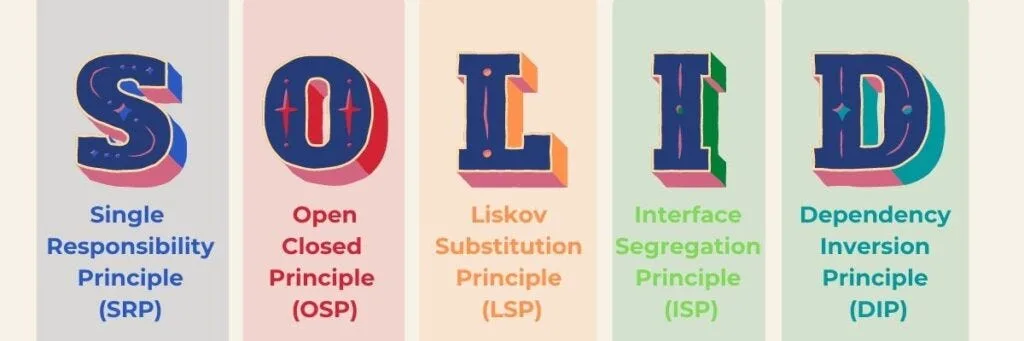
What is SOLID? The SOLID Principles Explained
Five principles that show up in job postings, get asked in interviews, and are ignored far too often: a look at SOLID.